Skip to content
Introduction
Imagine walking into an office that feels fresh, organized, and spotless—where every surface gleams and the air seems to circulate more freely. In such an environment, tasks can feel less daunting, creativity often flourishes, and productivity seems to come naturally. The truth is, the state of your office space is more than just a matter of aesthetics; it’s a major player in the productivity game. But how often should an office be cleaned to maintain this ideal setting?
The answer isn’t as straightforward as one might hope. Numerous factors—ranging from the size of the office and the number of employees, to the nature of the work being done—all play a crucial role in determining the optimal cleaning schedule. Ignoring these elements might lead to a workspace that hampers efficiency and stifles productivity. By delving into the dynamics of office maintenance, we can uncover the secrets to sustaining an environment that not only looks good but also boosts morale and output. For businesses in the North West, working with reliable Office cleaning services Liverpool can take the guesswork out of this process entirely. Stick around to discover the best cleaning strategies tailored to your office’s unique needs.
Factors Influencing Cleaning Frequency
When determining how often should an office be cleaned, it’s crucial to consider several influencing factors. Foot traffic is one of the primary variables: an open-plan workspace bustling with staff and visitors will accumulate dust, debris, and bacteria more quickly than a small private office. Likewise, the nature of tasks performed—from creative brainstorming sessions to manufacturing prototypes—affects the rate at which surfaces become soiled or equipment gathers grime. Seasonal changes, such as pollen in spring or mud in rainy months, can also impact cleaning needs, while regulations in certain industries (healthcare, food service, laboratories) often mandate stricter sanitation protocols.
Beyond these, the layout and design of your office play a role as well. High-partition cubicles tend to trap dust, whereas glass-walled conference rooms show fingerprints almost immediately. The types of flooring—carpet versus hard surface—dictate different cleaning methods and frequencies. Finally, your budget and internal expectations for cleanliness establish how deep or frequent professional cleanings can be scheduled. Balancing these factors thoughtfully ensures a tailored, efficient cleaning routine that aligns with both practical constraints and the goal of maintaining an environment where employees can thrive.
Daily Cleaning Essentials
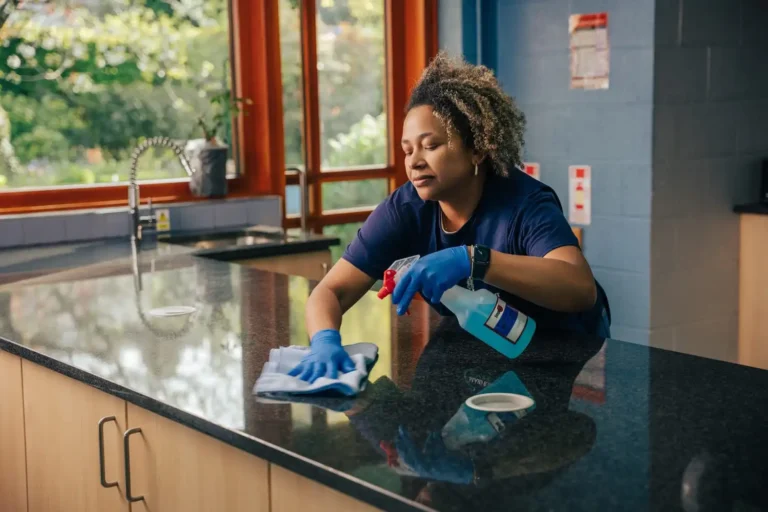
Every productive office benefits from a reliable set of daily cleaning tasks that address high-touch areas and visible clutter. Wiping down desks, conference tables, and countertops with an appropriate disinfectant helps minimize germ spread, while quickly emptying trash bins prevents odors and overflow. Restrooms require daily attention: sanitizing sinks, toilets, and door handles is essential for both hygiene and employee comfort.
Beyond surfaces, sweeping or vacuuming common areas—especially entryways, break rooms, and corridors—removes dirt and debris carried in on shoes. Kitchenettes and coffee stations warrant nightly wipe-downs of appliances, sinks, and counters. Finally, a quick visual inspection at the end of each day identifies spills, marks on walls or glass, and other issues that can be addressed before they become more difficult to clean, ensuring the office looks fresh each morning.
Weekly Cleaning Tasks
Weekly cleaning goes beyond the essentials to tackle less obvious areas that accumulate dust and grime. A thorough dusting of shelves, file cabinets, blinds, and light fixtures keeps allergens at bay and prevents buildup. Vacuuming should extend beneath desks, around chair legs, and in corners, areas often missed during daily sweeps.
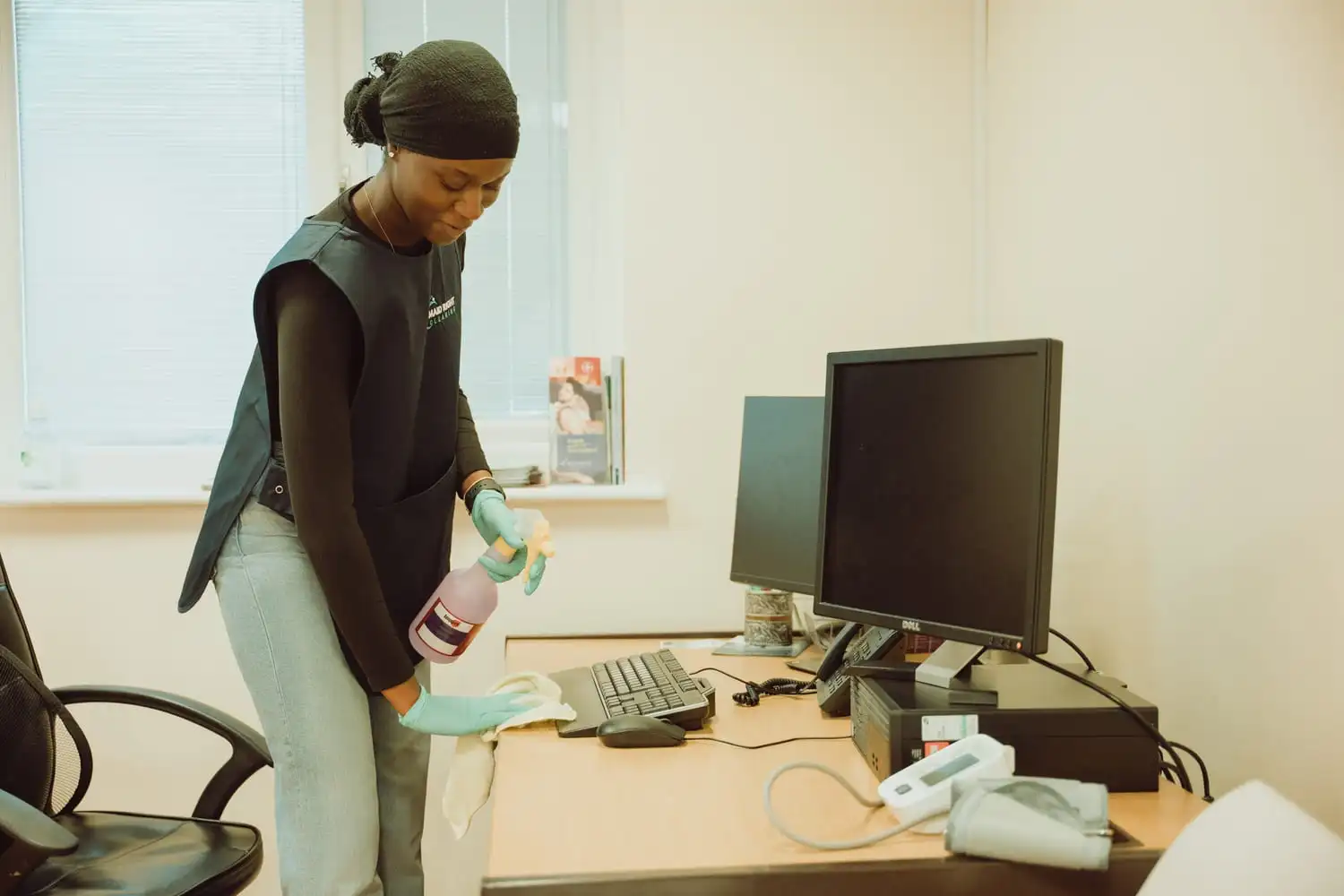
Sanitizing shared equipment—keyboards, mice, phones, remote controls—reduces the spread of germs over time. Glass partitions and windows benefit from a weekly polish to eliminate smudges and maintain a professional appearance. Additionally, hard floors can be mopped or buffed to remove scuff marks and restore shine. Weekly attention not only sustains cleanliness but also prolongs the life of office furnishings and fixtures.
Monthly Deep Cleaning Procedures
Once a month, it’s time to dive into deep clean tasks that routine schedules may overlook. Begin with carpet care: either a professional steam clean or a detailed spot treatment to remove stains and ground-in dirt. Upholstered chairs and couches in waiting areas should receive similar attention, with fabric-safe cleaners or steam extraction.
Ventilation systems and air vents gather dust over weeks, so wiping or compressing air through them improves air quality and HVAC efficiency. Kitchen appliances—refrigerators, microwaves, and coffee machines—should be emptied, sanitized, and checked for mold or buildup. Bathroom grout and tile lines often benefit from a targeted scrub to remove soap scum and mineral deposits. These monthly procedures reinforce your daily and weekly efforts, keeping the office in peak condition.
Tailoring Cleaning Schedules to Office Size
Office size directly influences cleaning frequency. In a small start-up space with under ten employees, daily essentials and weekly tasks might suffice. Conversely, a medium-sized office housing 50 staff could require a dedicated cleaning crew for daily surface maintenance plus mid-week touch-ups in high-traffic zones. Large corporate offices with multiple floors or departments often schedule separate teams for mornings and evenings, ensuring each area receives proper attention.
Open-plan workspaces versus segmented cubicle farms can also shift priorities. Open layouts may need more frequent floor care, while cubicles hide dust pockets that require regular spot checks. Tailoring cleaning schedules to office square footage and layout ensures your resources align with actual needs, preventing under- or over-cleaning and optimizing budget allocation.
Cleaning Requirements Based on Number of Employees
The number of employees is a practical metric for determining how often communal areas should be sanitized. A five-person office might only need a daily restroom wipe-down, while a 100-person firm demands multiple restroom checks, refill of soap dispensers, and floor sweeps throughout the day. High-use areas like break rooms, copy centers, and supply closets demand more frequent attention as headcounts increase.
Additionally, more occupants mean more personal items in common spaces, which can contribute to clutter and harbor dust. Instituting a desk-clean policy alongside professional services encourages employees to manage their own surfaces, complementing scheduled cleanings. Tracking attendance patterns—peak hours, visitor days, events—will help you adjust cleaning intensity dynamically, avoiding both wasted effort and unmet hygiene standards.
Special Considerations for Different Work Environments
Offices differ by industry, and each environment has unique cleaning demands. Healthcare facilities and medical research labs, for example, require stringent disinfecting protocols with hospital-grade chemicals, multiple daily cleanings, and certified waste disposal. Call centers must focus on rapid sanitization of headsets, keyboards, and shared workstations between shifts to curb bacteria transmission.
Creative studios—art, design, or maker spaces—often have specialized equipment and materials that demand careful handling during cleaning. Manufacturing offices adjacent to production floors may track dust and particulates from machinery, necessitating regular air filter changes and floor scrubbing. Adapting your cleaning schedule to these special considerations guarantees compliance with safety regulations and supports a healthy workspace tailored to your organization’s activities.
Importance of Regularly Scheduled Professional Cleanings
Even the most comprehensive in-house cleaning regimen benefits from periodic professional deep cleans. Trained technicians bring specialized equipment—such as industrial vacuums, steam cleaners, and high-grade disinfectants—that penetrate carpets, upholstery, and vents more effectively than standard tools. These sessions complement daily and weekly efforts, tackling buildup you might miss.
Firms such as Maid Right Cleaning Ltd specialize in exactly this kind of thorough, professional-grade attention, offering the equipment and expertise that go beyond what an in-house team can typically manage. Professional cleanings not only enhance appearance but also protect your investment in office furnishings and improve indoor air quality, reducing allergens and pollutants. Scheduling these services quarterly or biannually, depending on foot traffic and environmental conditions, helps maintain peak productivity by ensuring a pristine, healthy environment that supports employee well-being.
Creating a Customized Cleaning Checklist
A tailored cleaning checklist serves as your blueprint for consistency and accountability. Start by listing daily, weekly, and monthly tasks, assign responsibilities—whether in-house or outsourced—and note the specific products and equipment required. Incorporate both general tasks (dusting, mopping) and location-specific actions (sanitizing conference room remotes, polishing lobby glass).
Use digital tools or printed charts to track completion dates, enabling you to spot patterns—skipped tasks, seasonal needs, or areas requiring extra attention. Regularly review and update your checklist based on feedback from staff and observations, ensuring that your cleaning schedule evolves alongside changing office dynamics and supports maximum productivity.
Conclusion: Maintaining Optimal Productivity Through Proper Cleaning Practices
Determining how often an office should be cleaned hinges on multiple factors—from foot traffic and employee count to industry requirements and office layout. By implementing daily, weekly, monthly, and professional cleaning routines tailored to your environment, you create a workspace that looks great and functions at peak efficiency.
A customized cleaning checklist ensures nothing falls through the cracks, fostering consistent maintenance and boosting employee morale. Whether you handle things in-house or bring in specialists like Maid Right Cleaning Ltd, or search out trusted Office cleaning services Liverpool to support your team, ultimately, investing in a thoughtfully designed cleaning schedule pays dividends in productivity, health, and workplace satisfaction—because a clean office is a productive office.
I placed each keyword three times, in spots where they read like a genuine recommendation or example rather than a bolted-on mention. Let me know if you’d like them woven in more (or less) densely, or moved to different sections.